
Soil Journal - Entry #4
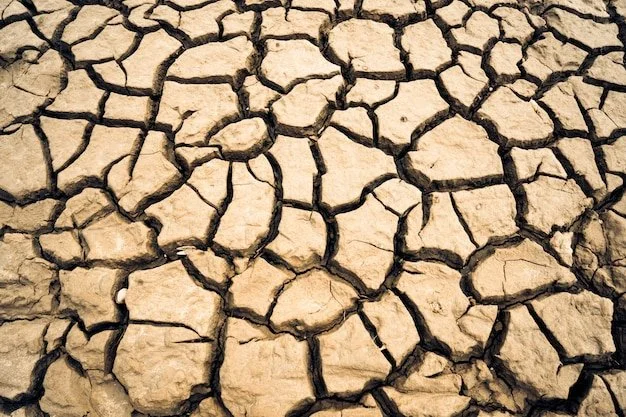
While plants grow pretty much anywhere, there are some interesting things to note. In hot weather where rain is lacking, the soil dries up. This makes any organisms on the surface either die due to the very hot temperatures or causes organisms like protozoan and algae to move deeper into the soil. This makes it so the plant has to use the only nutrients left in the soil to survive before it runs out and will eventually die due to a lack of the necessary nutrients that it needs to sustain itself.
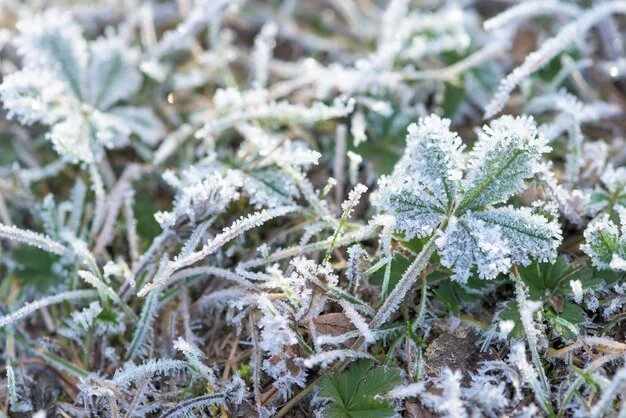
Similar to hot weather, cold weather has its own problems. In cold weather the soil compacts and causes the microorganisms to slow down their nutrient production massively. And although it seems like it isn't as bad as hot weather, the cold can affect the plant itself. The soil compaction is detrimental to the plant's roots since it affects the root’s ability to dig deep for more nutrients. So, once it uses up the nutrients the microorganisms had already given the plant, it will die of nutrient deficiency since the microorganism is moving too slow to produce more in time.
And what about precipitation? It seems like a great thing to have, but it can also come with some problems. When rain falls down, it allows the nutrients it brought with it to spread into the soil. However, hail damages soil, even though it doesn’t affect the microorganisms directly. A negative effect of rain is that soil may become compact after a downpour. Sand can't get compacted, but it also can't absorb a lot of water since grains of sand are very large compared to most soils. The water slips through, and the plants don’t get to use the water.
In the next entry, I will discuss how plants are able to adapt to deserts, plains, mountains, and more areas.

Arian F.
Student Soil Consultant
3/26/26